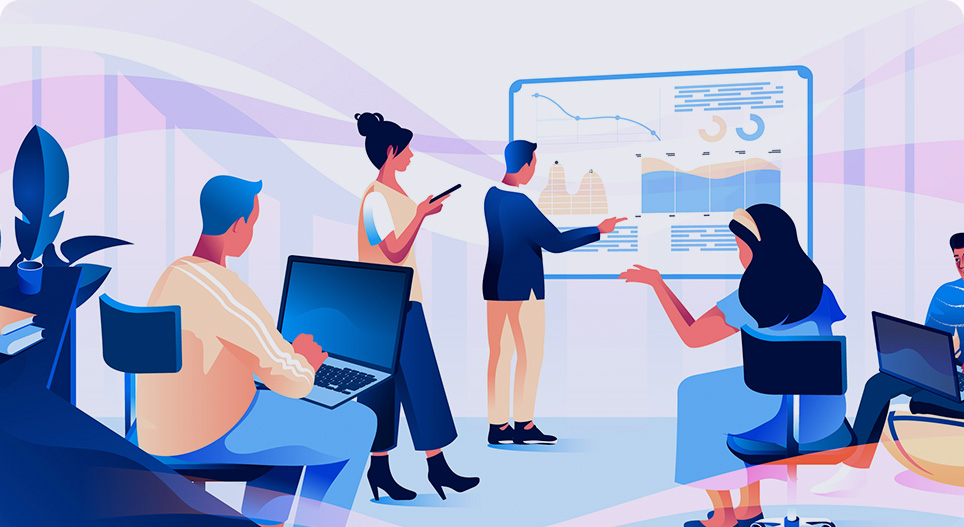
To revolutionize website design, adopt mobile-first strategies, prioritize user-centric simplicity, engaging content, image-centric approaches, and interactive user experiences. Mobile optimization, responsive layouts, and user-friendly navigation are crucial for a competitive edge. User-centric design, grid layouts, and color psychology improve user experience. Emotionally compelling content, personalized storytelling, and authentic connection cultivate brand loyalty. Visual appeal with high-quality images, infographics, and interactive elements increase engagement. To learn more about cutting-edge trends and strategies shaping the future of website design, delve into optimizing for mobile SEO, creating emotionally resonant content, and enhancing user engagement interactivity.
Contents
hide
Key Takeaways
- Prioritize mobile optimization for competitive edge.
- Implement user-centric design for simplicity and engagement.
- Incorporate emotionally compelling content.
- Opt for image-centric design with high-quality visuals.
- Enhance user experience with interactive elements like gamification.
Mobile-First Design Strategies
In the constantly changing landscape of website design, adopting mobile-first strategies has become crucial to cater to the increasing number of users accessing the internet through mobile devices. Mobile optimization and responsive layouts are crucial components in ensuring a seamless user experience across different devices. Designing user-friendly navigation and fast loading pages are necessary for retaining user engagement and decreasing bounce rates. With Google emphasizing responsive sites for SEO benefits and mobile-first indexing becoming a norm, prioritizing mobile design offers a competitive edge. By focusing on fast-loading pages and intuitive navigation, websites can improve user satisfaction and drive higher conversions. Embracing mobile-first design strategies is not just a trend but a necessity in today's digital age.
Simple User-Centric Design Tips
Implementing a user-centric design approach involves prioritizing simplicity, intuitive interfaces, and strategic placement of essential information to improve the user experience. Utilizing grid layouts can improve readability and guide users through content effortlessly. Incorporating color psychology into the design can evoke specific emotions and influence user behavior. Minimalistic design, clean layouts, and a simple interface contribute to a seamless user experience. By focusing on decluttering the website and presenting information in a structured manner, users can easily find what they need. The strategic use of colors and grid layouts not only boosts the aesthetic appeal but also improves user engagement and interaction. Simple user-centric design principles ultimately lead to a more user-friendly and effective website.
Engaging Content Strategy Insights
To captivate and retain online audiences effectively, a strategic content strategy must prioritize emotionally compelling and personalized experiences. Personalized storytelling is a powerful tool that enables brands to connect with their audience on a deeper level, creating a sense of emotional branding. By crafting content that resonates with individual experiences and values, companies can establish stronger relationships with their customers. Emotional branding allows for a more authentic and human connection, enhancing brand loyalty and engagement. Through tailored messaging and storytelling, businesses can evoke specific emotions that drive action and build a loyal customer base. Implementing a personalized content strategy that incorporates emotional branding can differentiate a website and leave a lasting impact on visitors.
Image-Centric Design Approach
A creative approach to website design involves centering design strategies around high-quality images to boost user engagement and visual appeal. Utilizing high-resolution images enhances the general quality of visuals, especially on mobile devices where clarity is essential. The image-centric design approach prioritizes the use of images over text to create a user-friendly interface that captivates visitors. Infographics play a significant role in this strategy by effectively balancing the image-text ratio, making complex information more digestible and visually appealing. Moreover, incorporating unique touches such as attention-grabbing captions and customized image galleries sets websites apart from the competition, leaving a lasting impression on users. By embracing an image-centric design approach, websites can create a visually stunning and engaging user experience that resonates with visitors.
Interactive User Experience Techniques
Enhancing user engagement through interactive elements is a pivotal strategy in creating a dynamic and immersive website experience. Incorporating gamification techniques such as interactive quizzes and polls can captivate users and encourage prolonged interaction. Chatbot integration provides real-time assistance, enhancing user experience by offering immediate responses to queries. Personalized recommendations based on user behavior can further improve engagement by tailoring content to individual preferences. Integrating social media feeds keeps users updated, fostering a sense of community and real-time engagement. Quick user registration processes and free content offerings incentivize users to delve further, increasing interaction levels. By leveraging these interactive user experience techniques, websites can create a more engaging and personalized online environment, ultimately leading to enhanced user satisfaction and loyalty.
Optimizing for Mobile SEO
Mobile SEO optimization is essential for modern websites aiming to rank higher in search engine results and cater to the growing mobile user base. Implementing mobile SEO best practices such as responsive designs is vital to guarantee a seamless user experience across multiple devices. The impact of mobile indexing by search engines emphasizes the importance for websites to be mobile-friendly for better visibility. Moreover, Accelerated Mobile Pages (AMP) implementation can greatly improve page loading speed, boosting user engagement and reducing bounce rates. By focusing on mobile SEO strategies, including responsive designs and AMP integration, websites can strengthen their online presence, attract more mobile traffic, and ultimately enhance their search engine rankings.
Emotionally Provoking Content Creation
To captivate and deeply engage modern audiences, websites must strategically craft emotionally resonant content that forges genuine connections with users. Personalized storytelling is a vital tool in creating this emotional resonance. By tailoring content to specific audience segments and incorporating elements that speak to their individual experiences, websites can establish a strong emotional connection with users. Emotional branding plays an essential role in this process, as it helps evoke specific feelings and associations that resonate with the audience. Through compelling narratives, relatable characters, and authentic experiences, websites can create a memorable and impactful user experience that fosters loyalty and engagement. By focusing on emotionally provoking content creation, websites can differentiate themselves and leave a lasting impression on their visitors.
Enhancing User Engagement Interactivity
A strategic integration of interactive elements is essential for elevating user engagement on websites and fostering a dynamic user experience. Incorporating interactive storytelling can captivate users by immersing them in a narrative that unfolds based on their choices, creating a personalized and engaging adventure. User feedback strategies play a vital role in improving interactivity, allowing for real-time communication and tailored user experiences. By implementing features like quizzes, polls, chatbots, and gamification, websites can offer interactive experiences that not only entertain but also gather valuable insights from users. Moreover, personalized recommendations based on user behavior and integrating social media feeds for real-time updates further enrich user interaction, creating a more engaging and dynamic website experience.
Frequently Asked Questions
How Can Website Design Incorporate Accessibility Features for Users With Disabilities?
Inclusive design in website development involves integrating accessibility features for users with disabilities. Incorporating assistive technology, such as screen readers and keyboard navigation, guarantees all users can interact with the website effectively. Strategies like providing alternative text for images, ensuring color contrast for readability, and designing a logical layout with clear headings benefit users with visual impairments. Prioritizing accessibility improves user experience, inclusivity, and compliance with web accessibility standards.
What Role Does Storytelling Play in Creating Emotionally Engaging Content?
Visual storytelling is pivotal in establishing an emotional connection with users. It goes beyond conveying information to evoking feelings, leading to heightened user engagement. Brand storytelling, when done effectively, can create a lasting impact on the audience by weaving narratives that resonate with their emotions. By leveraging visual elements and compelling narratives, websites can forge a strong bond with users, fostering loyalty and deeper connections through storytelling techniques.
Is There a Recommended Balance Between Text and Images for Effective Communication?
To effectively communicate, balancing text and images is vital for maintaining visual hierarchy and enhancing user engagement. Careful font choice aids readability, while selecting appropriate images conveys messages efficiently. Achieving a harmonious text-to-image ratio guarantees a cohesive and engaging design. Striking this balance optimizes user experience, drawing attention to key content while enhancing visual appeal. Incorporating text and images thoughtfully is necessary for creating a compelling and engaging website.
How Can Website Design Cater to Users With Slow Internet Connections?
To cater to users with slow internet connections, website design should focus on progressive loading and lightweight designs. Implement compression techniques and optimize images to reduce loading times. Prioritize content delivery by loading crucial elements initially. Utilize lazy loading to defer non-critical content. Employ efficient coding practices and minimize HTTP requests. By optimizing assets and prioritizing content, websites can improve user experience for those with slower internet connections.
Can Interactive Elements Like Chatbots Enhance User Engagement and Retention?
Incorporating interactive elements like chatbots can greatly improve user engagement and retention. Personalization techniques through artificial intelligence enable chatbots to provide tailored responses, enriching the user experience. Virtual assistants offer real-time assistance, boosting user satisfaction and loyalty. By utilizing these cutting-edge tools, websites can create dynamic and engaging interactions, fostering a deeper connection with users and improving general retention rates.