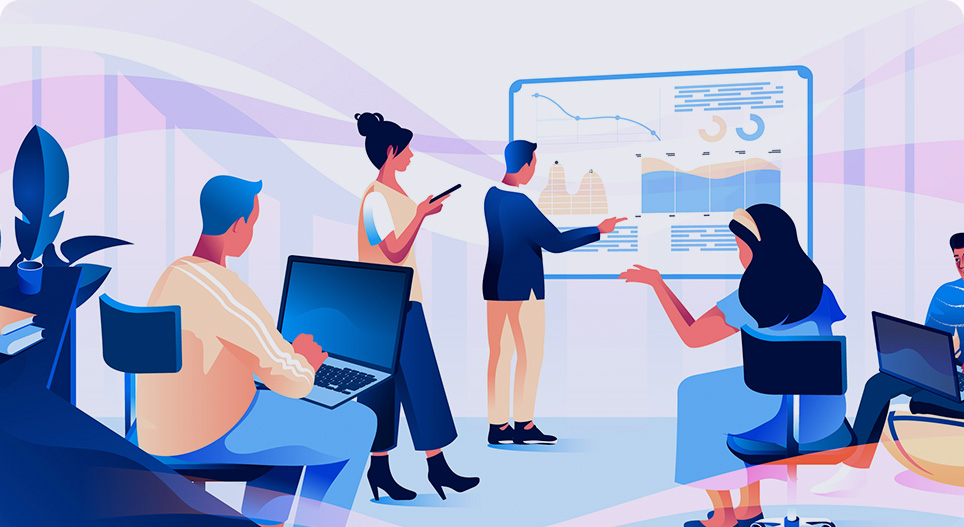

The realm of entrepreneurship offers a unique path for individuals considering sole ownership of a business. It brings forth a mix of advantages and challenges that shape the landscape for these entrepreneurs.
From the freedom to make decisions independently to the risks associated with personal liability, being the sole owner demands a careful balance of autonomy and responsibility.
As we explore the intricacies of this entrepreneurial journey, it becomes evident that the pros and cons of sole ownership are not just about business operations but also extend to legal and financial implications that can significantly impact the success of the venture.
Contents
hide
Advantages of Sole Ownership
Enjoying independence in decision-making and direct control over business operations are key advantages of being the sole owner of a business. This autonomy allows for flexibility in operations, enabling swift adaptation to market changes. Sole proprietors can make decisions promptly without the need for extensive consultations, leading to efficient responses to market demands.
Market adaptability is crucial in today's dynamic business environment, where agility can be a competitive advantage. Additionally, as the sole owner, all profits belong exclusively to the proprietor, providing a direct link between efforts and rewards. The simplified business structure of sole ownership streamlines decision-making processes, enhancing operational efficiency and enabling quick adjustments to capitalize on market opportunities.
Disadvantages of Sole Ownership
Moving from the advantages of sole ownership to its disadvantages, it is essential to consider the potential drawbacks that come with being the sole owner of a business.
One significant disadvantage is the unlimited personal liability for business debts, exposing the owner's personal assets to risk. Limited access to capital compared to larger entities can hinder growth opportunities and expansion plans. Sole owners bear sole responsibility for all aspects of the business, leading to a heavy workload and potential risk of burnout.
Moreover, the lack of shared decision-making and expertise may limit innovation and strategic planning. Effective risk management and comprehensive financial planning are crucial for mitigating these challenges and ensuring the long-term sustainability of the business.
Responsibilities and Decision-making Power
Responsibilities and decision-making power are fundamental aspects of being the sole owner of a business, requiring strategic planning and effective management skills to ensure operational success.
As the sole decision-maker, strategic planning is essential to set clear goals, define business strategies, and outline tactics to achieve objectives efficiently. Managing finances, including budgeting and tax preparation, falls under the owner's responsibilities.
Additionally, implementing effective marketing strategies to attract customers and ensuring high-quality customer service are crucial for business growth. Employee management is another critical duty, involving tasks such as hiring, training, and overseeing staff to maintain a productive work environment.
Legal and Tax Implications
Exploring the legal and tax implications of sole ownership provides crucial insights into the financial and regulatory considerations that shape the operational landscape for business owners. Sole proprietors are personally liable for business debts, a factor that underscores the importance of liability protection strategies such as forming a Limited Liability Company (LLC).
Business income is reported on the owner's personal tax return, allowing for tax deductions on business expenses to reduce taxable income. Owners must also comply with self-employment tax requirements, which can impact their overall tax liability.
Understanding these legal and tax implications is essential for sole owners to make informed decisions that optimize their financial standing and ensure compliance with regulatory obligations.
Consulting Professionals for Business Structure
For optimal decision-making regarding business structure, consulting with legal and financial professionals is highly recommended. Expert guidance can help sole business owners understand the various options available to them, such as sole proprietorship, partnership, or limited liability company (LLC). These professionals can provide valuable insights into the implications of each structure, including personal liability, tax considerations, and regulatory requirements.
Independence in Decision-making
To build upon the foundation of consulting professionals for business structure decisions, the aspect of independence in decision-making as a sole business owner holds significant sway over the strategic direction and operational choices within the business. Decision autonomy allows the owner to make crucial choices without the need for extensive consultations or approvals, enabling quick adaptation to market trends and competitive landscapes.
Entrepreneurial freedom, inherent in sole ownership, empowers the owner to innovate, experiment, and pivot the business according to their vision and instincts. This freedom comes with the responsibility to navigate risks and uncertainties independently. While sole owners may lack the shared expertise of a team, the ability to make autonomous decisions can lead to agility and a competitive edge in the market.
Unlimited Personal Liability for Debts
In sole ownership of a business, the owner faces the challenge of bearing unlimited personal liability for the debts incurred by the business. This means that if the business is unable to meet its financial obligations, creditors can come after the owner's personal assets to settle the debts.
To mitigate this risk, effective risk management strategies and thorough financial planning are essential. Risk management involves identifying potential risks to the business and implementing strategies to minimize them. Financial planning, on the other hand, requires careful budgeting, monitoring of cash flow, and setting aside emergency funds to cover any unexpected liabilities.
Business Income Reported on Personal Taxes
Given the inherent link between a sole business owner's personal finances and the business itself, a significant aspect to consider is how the business income is reported on the owner's personal tax return.
As a sole proprietor, business income is typically reported on the owner's personal tax return. This means that the profits generated by the business are considered personal income, impacting the owner's overall tax liability. However, this structure allows for simplicity in reporting and tax filings.
Additionally, sole proprietors can benefit from tax deductions related to their business expenses, reducing the taxable income reported on their personal tax return. Understanding the implications of reporting business income on personal taxes is crucial for managing both business and personal finances effectively.
Seeking Advice From Legal and Financial Experts
Seeking guidance from legal and financial experts is essential for sole business owners navigating complex decisions regarding their business structure and financial obligations.
Expert guidance can help in making critical decisions related to financial planning and legal considerations. Financial experts can assist in creating a sound financial plan, managing cash flow effectively, and optimizing tax strategies.
Legal experts can provide insights into the implications of different business structures, ensuring compliance with laws and regulations, and protecting the owner from personal liability.
Frequently Asked Questions
How Can Being a Sole Business Owner Impact Work-Life Balance and Personal Well-Being?
Being a sole business owner can significantly impact work-life balance and personal well-being. The responsibility of managing all aspects of the business can lead to long work hours, increased stress levels, and challenges in separating work from personal life.
Juggling multiple roles may result in burnout and reduced time for self-care activities. Prioritizing self-care, setting boundaries, and delegating tasks can help maintain a healthy work-life balance and enhance personal well-being.
What Strategies Can Sole Business Owners Implement to Mitigate the Risk of Burnout and Overwhelm?
To mitigate the risk of burnout and overwhelm, sole business owners can implement effective time management strategies to prioritize tasks and allocate time wisely.
Stress reduction techniques such as regular breaks, exercise, and mindfulness practices can improve mental well-being.
Self-care practices, including maintaining a healthy work-life balance and setting boundaries, are crucial.
Delegation techniques by outsourcing tasks or hiring employees can lighten the workload and prevent burnout.
How Does Being the Sole Owner of a Business Affect Relationships With Employees, Customers, and Suppliers?
Being the sole owner of a business can significantly impact relationships with employees, customers, and suppliers. As the sole decision-maker, the owner's leadership style, communication, and management approach directly influence employee morale and productivity.
Additionally, the owner's personal touch and consistent engagement with customers can foster loyalty and trust. Maintaining strong relationships with suppliers is crucial for ensuring timely deliveries and favorable terms, impacting the business's operational efficiency and reputation.
What Are Some Common Challenges Faced by Sole Business Owners When It Comes to Managing Finances and Cash Flow?
When it comes to managing finances and cash flow, common challenges faced by sole business owners include:
- The need for meticulous financial planning,
- Effective budgeting to allocate resources efficiently, and
- The ability to manage cash flow through accurate forecasting.
These tasks require careful attention to detail, strategic decision-making, and the ability to adapt to unforeseen circumstances.
Developing a solid financial strategy is crucial for ensuring the business's long-term sustainability and growth.
In What Ways Can Sole Business Owners Leverage Technology and Automation to Streamline Operations and Improve Efficiency?
Leveraging technology and automation can significantly enhance a sole business owner's operations by improving productivity and implementing digital marketing strategies. Utilizing digital tools for tasks such as inventory management, customer relationship management, and online marketing can streamline processes, reduce manual errors, and reach a broader audience.
Automation of repetitive tasks frees up time for strategic planning and focusing on core business activities, leading to increased efficiency and growth opportunities.
Conclusion
In conclusion, the decision to operate as the sole owner of a business offers autonomy in decision-making and direct control over operations, but comes with risks such as personal liability for debts and limited access to resources. Sole proprietors must navigate the responsibilities and decision-making powers that come with this business structure, while also considering the legal and tax implications that shape their financial obligations.
Seeking advice from legal and financial experts can help individuals make informed choices for success in the competitive marketplace.